Submit News
 About us
 Advertise
 Contact us


 Aug 05, 2026
  4 min read
 Horse racing and tapeball cricket unite in new Guya...
In a landmark convergence of Guyana’s most passionate sporting cultures, horse racing and grassroots cricket have officially joined forces. The organisers of...


08 Aug 2026

In a landmark convergence of Guyana’s most passionate sporting cultures, horse racing and grassroots cricket have officially joined forces. The organisers of...

Any state initiative in the bottled water sector should be structured to strengthen, not compete with or undermine, existing private investment, the...

The family of two-year-old Larissa, who was diagnosed with West syndrome at two months old and experiences up to 100 seizures...

 Guyana records 14 per cent reduction in recidivism


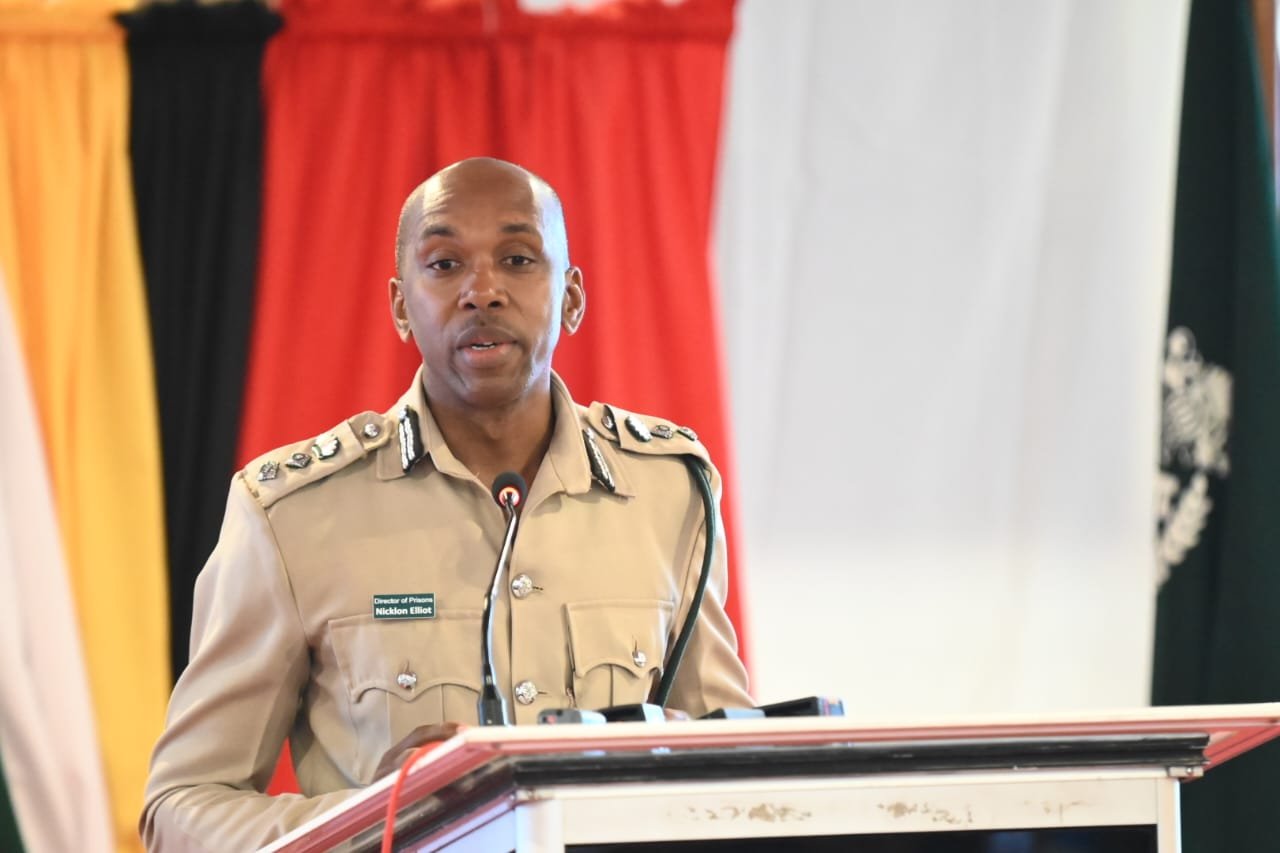
The Guyana Prison Service has recorded a 14 per cent reduction in recidivism and credits this success to a multi-pronged approach that includes behavioural modification programmes, technical and vocational training, along with social services programmes.
This information was shared during the opening of the Guyana Prison Service’s Senior Officers’ Conference, held this morning at the Police Officers’ Mess.
Highlighting the importance of rehabilitation programmes, the need to prepare prisoners for life beyond incarceration was emphasised as a major factor in reducing recidivism rates.
“Guyana’s recidivism rate of 14 per cent (tabulated against the current prison population) stands in stark contrast to averages reported by the Inter-American Development Bank for Australia, the United States of America, the Caribbean, and Latin America, which stand at over 25 per cent,” a GPS report stated.
Director of Prisons, Nicklon Elliot, noted the collaborative efforts and strategic developments led by the Minister of Home Affairs, Robeson Benn, and the Minister of Legal Affairs, Anil Nandlall, through the support of the Criminal Justice System Programme, along with the work of the Guyana Police Force and the Customs Anti-Narcotics Unit in social crime prevention and education programmes.
Director Elliot emphasised the commitment of the GPS to comprehensively address rehabilitation both within the prisons and in promoting reintegration into society.
In 2024, some 800 inmates benefitted from upskilling initiatives and training opportunities provided by internal and external sources.