Submit News
 About us
 Advertise
 Contact us


 Aug 05, 2026
  4 min read
 Horse racing and tapeball cricket unite in new Guya...
In a landmark convergence of Guyana’s most passionate sporting cultures, horse racing and grassroots cricket have officially joined forces. The organisers of...


08 Aug 2026

In a landmark convergence of Guyana’s most passionate sporting cultures, horse racing and grassroots cricket have officially joined forces. The organisers of...

Any state initiative in the bottled water sector should be structured to strengthen, not compete with or undermine, existing private investment, the...

The family of two-year-old Larissa, who was diagnosed with West syndrome at two months old and experiences up to 100 seizures...

 Regional leaders push back against policy targeting Cuban medical missions


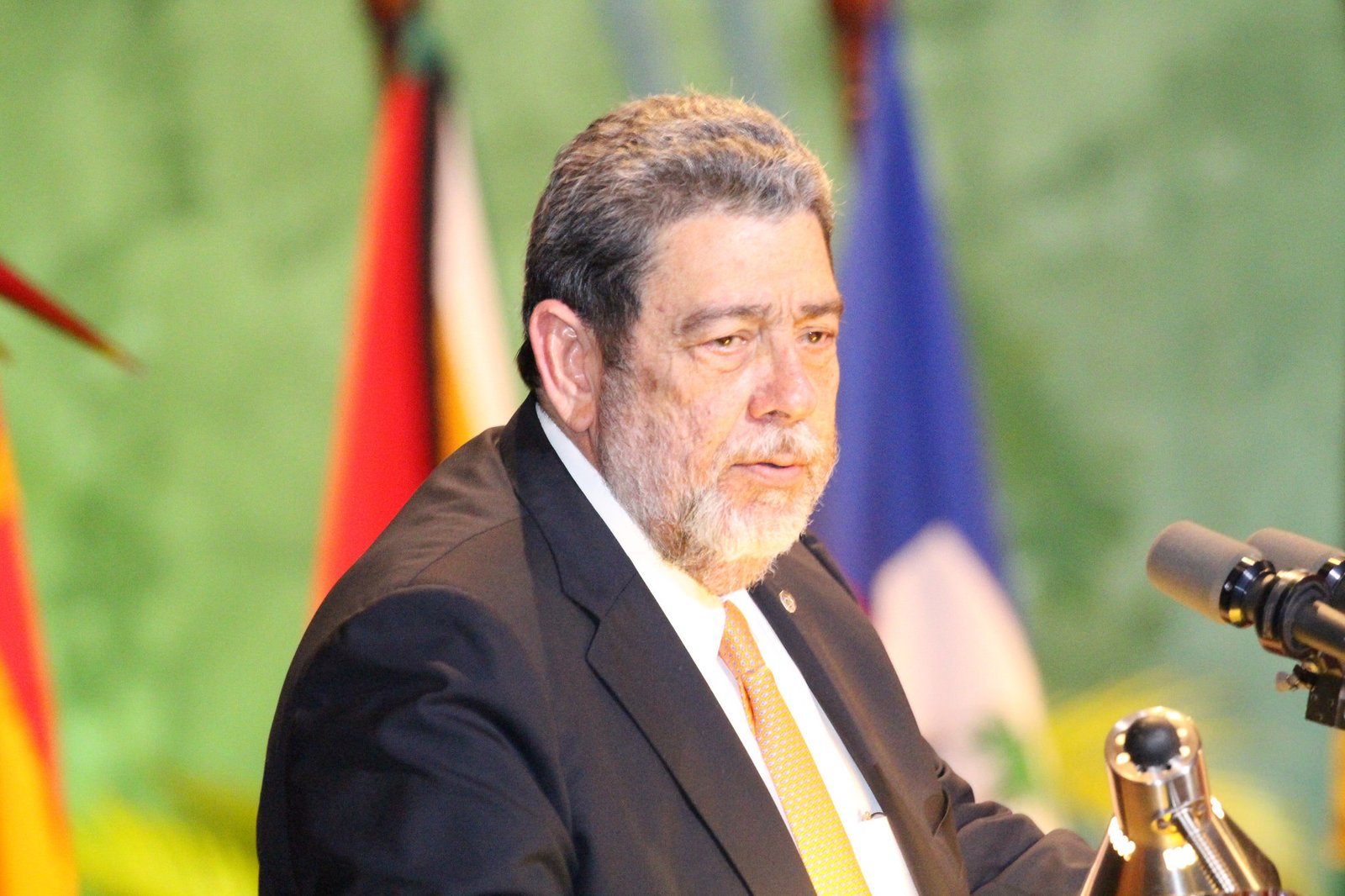
At least two prominent Caribbean leaders have expressed reservations about US President Donald Trump’s policy targeting the overseas operations of Cuba’s medical missions.
Earlier this year, the US threatened to restrict the visas of government officials and their families associated with the Cuban medical missions, following the declaration by US Secretary of State Marco Rubio that Cuban medical staff were operating under “forced labour” conditions.
The Prime Ministers of Trinidad and Tobago and St Vincent and the Grenadines, Keith Rowley and Ralph Gonsalves respectively, have expressed their concerns regarding the US policy.
Rowley told media operatives in his country on Monday that Trinidad and Tobago relies heavily on healthcare specialists from India, the Philippines, and primarily from Cuba.
These are technical people, he said, noting that they are not trafficked into the country.
Gonsalves, for his part, described himself as a “rebel seed” and insisted that his country has not been involved in any form of exploitation of Cuban workers, nor is he aware of the Cuban government engaging in such practices.
During an official visit to Jamaica this week, the Vincentian Prime Minister also stated his willingness to lose his visa if it meant his citizens could continue to receive critical medical care from Cuban professionals.
He explained, for instance, that the haemodialysis service provided at St Vincent’s Modern Medical and Diagnostic Centre could not be offered without the presence of Cuban medical personnel.
Guyana has continuously regarded the US as “a strategic partner” and, like many other CARICOM nations, has expressed its willingness to approach the US as a bloc to seek more information regarding the Cuban missions.
It was reported that CARICOM members recently met with US Special Envoy for Latin America Mauricio Claver-Carone in Washington.
The Cuban Medical Brigade is said to have a presence in over 50 countries, with almost 25,000 of its citizens operating worldwide. Cuba has exported its medical professionals as a valued service, which many countries have described as nothing short of a “blessing.”
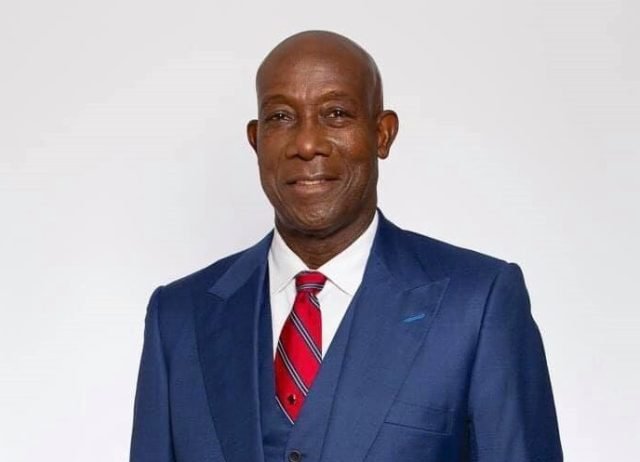
Trinidad and Tobago Prime Minister, Keith Rowley