Submit News
 About us
 Advertise
 Contact us


 Aug 05, 2026
  4 min read
 Horse racing and tapeball cricket unite in new Guya...
In a landmark convergence of Guyana’s most passionate sporting cultures, horse racing and grassroots cricket have officially joined forces. The organisers of...


08 Aug 2026

In a landmark convergence of Guyana’s most passionate sporting cultures, horse racing and grassroots cricket have officially joined forces. The organisers of...

Any state initiative in the bottled water sector should be structured to strengthen, not compete with or undermine, existing private investment, the...

The family of two-year-old Larissa, who was diagnosed with West syndrome at two months old and experiences up to 100 seizures...

 Women’s, children’s health significantly enhanced, says Health Ministry in World Health Day message


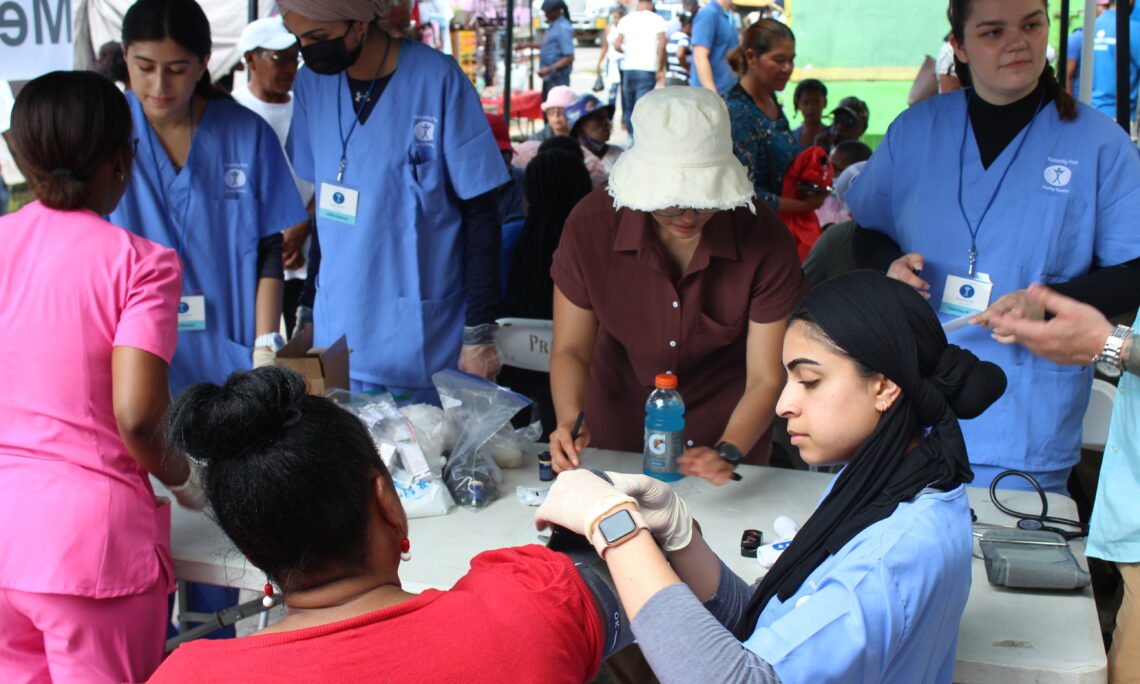
Guyana joins the international community in observing World Health Day 2025, under the theme: “Accelerating Progress to Improve Maternal and Neonatal Health and Survival.”
In a statement issued today, the Ministry of Health said it continues to prioritise the health and well-being of the nation, fully recognising the importance of maternal and child health.
According to the World Health Organisation (WHO), nearly 300,000 women lose their lives each year due to complications related to pregnancy or childbirth.
In addition, over two million infants die within their first month of life, and another two million are stillborn.
Unfortunately, current trends show that four out of five countries are not on track to meet the targets for improving maternal survival by 2030.
In Guyana, the Ministry of Health has taken significant steps to enhance the long-term health and well-being of women and children.
Over the past five years, the country has made notable progress in reducing maternal deaths due to postpartum haemorrhage (PPH), with a decrease from 23 cases in 2019 to 14 cases in 2024.
Guyana is also constructing a Women’s and Children’s Hospital aimed at providing specialised maternal and neonatal care. In the hinterland regions, Maternal Waiting Homes have been established within hospital compounds to provide a safe and supportive environment for pregnant women at risk of complications.
In addition, 81 telemedicine sites have been established across the hinterland regions, enabling Community Health Workers (CHWs) to conduct ultrasounds on pregnant women with the support of obstetricians and gynaecologists based at regional hospitals.
Among other ongoing efforts is an increased focus on Continuing Medical Education, especially for midwives, to ensure that maternal and neonatal care continues to improve across the country.