Submit News
 About us
 Advertise
 Contact us


 Aug 05, 2026
  4 min read
 Horse racing and tapeball cricket unite in new Guya...
In a landmark convergence of Guyana’s most passionate sporting cultures, horse racing and grassroots cricket have officially joined forces. The organisers of...


11 Aug 2026

In a landmark convergence of Guyana’s most passionate sporting cultures, horse racing and grassroots cricket have officially joined forces. The organisers of...

Any state initiative in the bottled water sector should be structured to strengthen, not compete with or undermine, existing private investment, the...

The family of two-year-old Larissa, who was diagnosed with West syndrome at two months old and experiences up to 100 seizures...

 Navratri: Honouring Women and Divine Energy


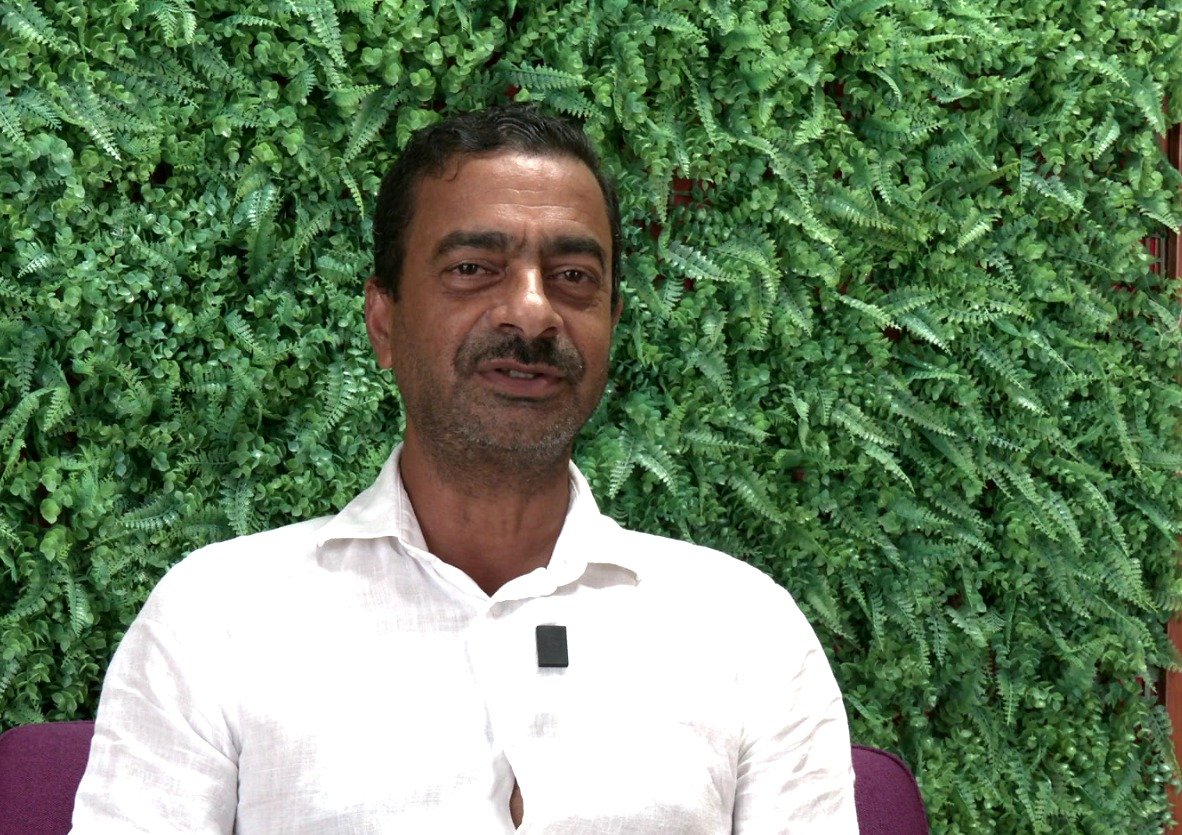
Hindus worldwide are observing Navratri, the sacred nine-night, ten-day festival dedicated to the Divine Mother. Each day celebrates a different form of Goddess Durga, symbolizing strength, wisdom, and protection.
Beyond fasting, prayers, and traditional dances, Navratri carries a powerful social message about respect for women. Pandit Haresh Tiwari, speaking at a recent discourse, said the festival reminds us that divinity is reflected in how society treats women.
“Wherever women are respected, that is where the divine resides. Navratri teaches us to see the mother in our wives, our daughters, our mothers, and our neighbors. If we live this truth, the world becomes a more beautiful place.,” Tiwari said.
He explained that Navratri is not just about worshipping a distant or mythical goddess. It is about recognizing the universal energy that sustains life, flowing through the five elements — earth, air, fire, water, and space — and present within everyone. By observing the festival, people are encouraged to approach life with humility, compassion, and respect, especially toward women.
“Navratri for these nine nights are not just about a goddess with many arms. They represent the universal energy that flows in all of us. By worshipping the Divine Mother, we learn humility, compassion, and respect,” he added.
The festival follows Pitru Paksha, a fortnight dedicated to honoring ancestors, reinforcing duty to family and creation. For Tiwari, Navratri is a call to carry respect for women and others beyond temples — into homes, communities, and daily life.
His message is clear: recognizing the divine presence in women and ourselves creates a more peaceful and harmonious society.