Submit News
 About us
 Advertise
 Contact us


 Aug 05, 2026
  4 min read
 Horse racing and tapeball cricket unite in new Guya...
In a landmark convergence of Guyana’s most passionate sporting cultures, horse racing and grassroots cricket have officially joined forces. The organisers of...


12 Aug 2026

In a landmark convergence of Guyana’s most passionate sporting cultures, horse racing and grassroots cricket have officially joined forces. The organisers of...

Any state initiative in the bottled water sector should be structured to strengthen, not compete with or undermine, existing private investment, the...

The family of two-year-old Larissa, who was diagnosed with West syndrome at two months old and experiences up to 100 seizures...

 GCOPD report: Notable progress seen but challenges remain for voters with disabilities


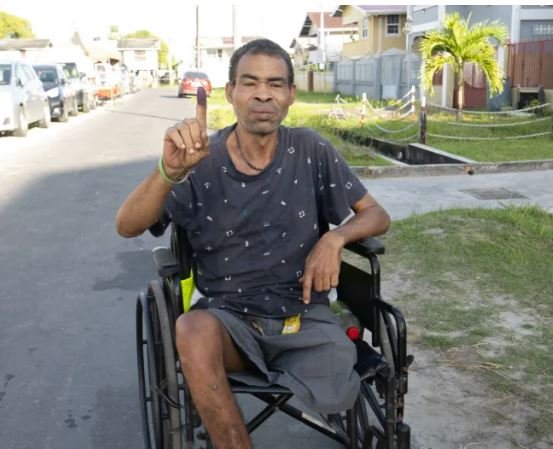
The Guyana Council of Organisations for Persons with Disabilities (GCOPD) has reported notable progress in making elections more accessible to persons with disabilities, but said gaps still remain.
The findings were presented today at the National Library during the launch of the GCOPD’s Election Accessibility Observation Report, supported by the Canada Fund for Local Initiatives. The review assessed accessibility during the 2025 General and Regional Elections through field visits, legal analysis, and voter interviews.
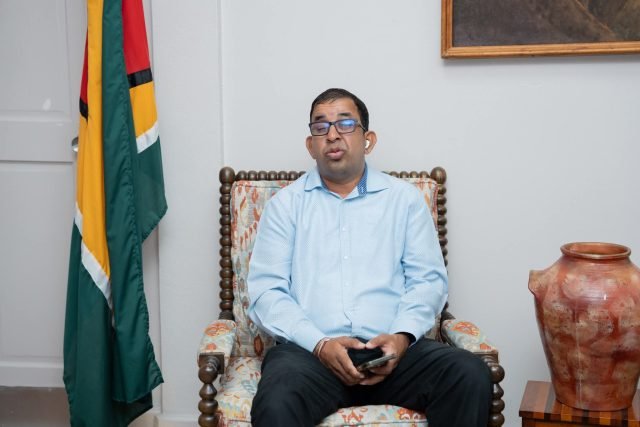
According to the report, most polling stations were located on the ground floor and had ramps or flat entry points, representing a step forward in accessibility. However, several stations still posed difficulties for persons with mobility, hearing, and psychosocial disabilities.
GCOPD Programme Manager Ganesh Singh noted that five in-person workshops were conducted to prepare nearly 150 persons with disabilities—many of them first-time voters—on the voting process, their rights, and Guyana’s electoral system.
He also highlighted a historic milestone: for the first time, the GCOPD trained and deployed 42 election observers with disabilities. “We sought approval from the Guyana Elections Commission and got permission for about 42 observers, most of whom were persons with disabilities. It was the first time in this country’s history that an organisation for persons with disabilities observed elections,” Singh stated.
While most voters reported having adequate time to cast their ballots and found the ballot paper easy to understand, accessibility shortcomings persisted. Many polling stations lacked safe ramps, accessible washrooms, and adequate assistance for voters with hearing impairments. “Only 6.5 percent of polling stations had someone capable of sign language interpretation, and most were not professionals,” Singh revealed.
The GCOPD hopes the findings will help guide election authorities in strengthening accessibility and ensuring that all Guyanese—regardless of ability—can fully and equally participate in future elections.