Submit News
 About us
 Advertise
 Contact us


 Aug 05, 2026
  4 min read
 Horse racing and tapeball cricket unite in new Guya...
In a landmark convergence of Guyana’s most passionate sporting cultures, horse racing and grassroots cricket have officially joined forces. The organisers of...


10 Aug 2026

In a landmark convergence of Guyana’s most passionate sporting cultures, horse racing and grassroots cricket have officially joined forces. The organisers of...

Any state initiative in the bottled water sector should be structured to strengthen, not compete with or undermine, existing private investment, the...

The family of two-year-old Larissa, who was diagnosed with West syndrome at two months old and experiences up to 100 seizures...

 CARICOM steps up push for reparatory justice


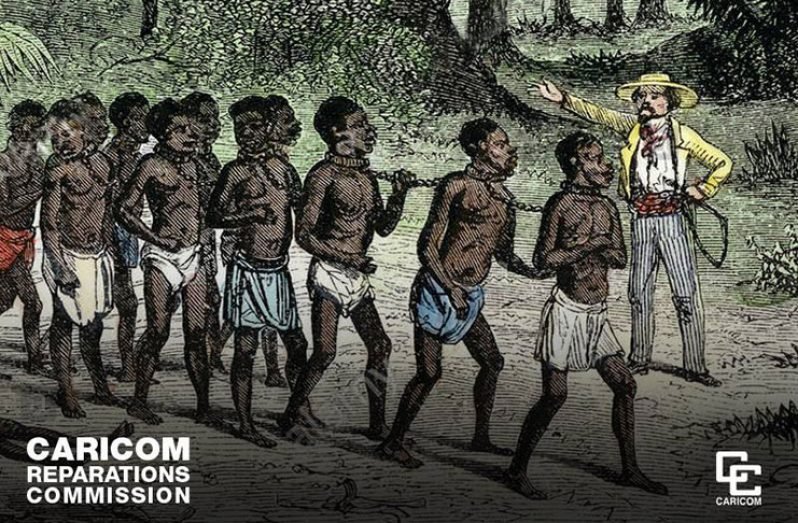
The Caribbean Community (CARICOM) is intensifying efforts to globalise its reparations agenda, with a major international conference planned later this year, the chairman of the CARICOM Reparations Commission said on Tuesday.
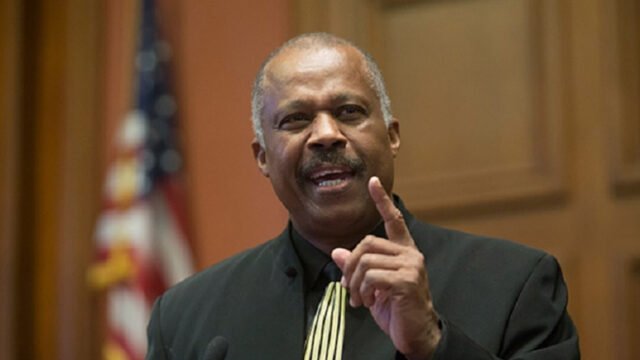
Professor Sir Hilary Beckles said a forthcoming visit by the commission to Europe will focus on advancing reparatory justice.
The move follows a United Nations General Assembly resolution in March recognising the trafficking of enslaved Africans as the “gravest crime against humanity.”
Beckles said the resolution marks a shift from a 25-year-old UN stance that slavery “should have been” considered a crime. “We have now moved from should have been a crime to indeed the gravest crime committed against humanity,” he said.
The CARICOM chairman added that the global community is now more united on the issue, providing a platform to place the story of Africans in its proper historical context.
He said the push for reparatory justice is a means for post-slavery nations to secure development and address the enduring economic, political and social impacts of slavery. Beckles criticised countries, including Britain, for rejecting efforts to recognise the affected populations, despite benefiting from roughly 200 years of free labour from an estimated 10 million Africans.
Nations that abstained from the resolution, he said, offered no acceptable political or historical reasoning, citing arguments that slavery was legal at the time.