Submit News
 About us
 Advertise
 Contact us


 Aug 05, 2026
  4 min read
 Horse racing and tapeball cricket unite in new Guya...
In a landmark convergence of Guyana’s most passionate sporting cultures, horse racing and grassroots cricket have officially joined forces. The organisers of...


10 Aug 2026

In a landmark convergence of Guyana’s most passionate sporting cultures, horse racing and grassroots cricket have officially joined forces. The organisers of...

Any state initiative in the bottled water sector should be structured to strengthen, not compete with or undermine, existing private investment, the...

The family of two-year-old Larissa, who was diagnosed with West syndrome at two months old and experiences up to 100 seizures...

 Deputy commissioner says zero tolerance for corrupt cops


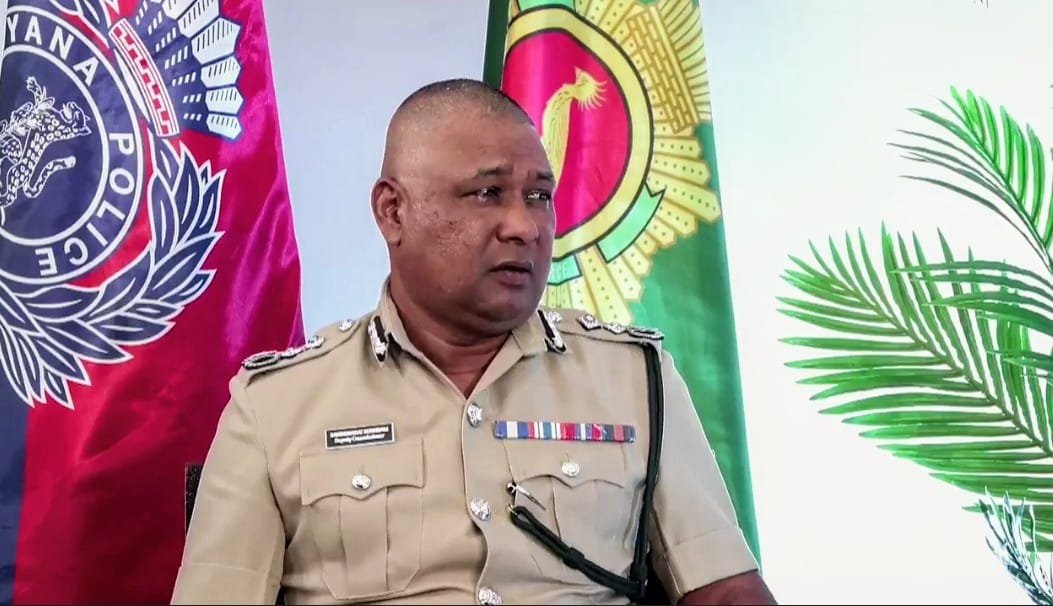
The Guyana Police Force (GPF) is ramping up efforts to root out corruption in the organisation and rebuild public trust through a series of internal reforms and stronger accountability measures.
This is according to Deputy Commissioner of Police Ravindradat Budhram.
Speaking on the latest episode of the programme Safeguarding Our Nation, which was aired on Tuesday, Budhram assured that police misconduct is being actively investigated and prosecuted, and that new systems are in place to prevent abuse of power across all ranks.
“Our job is to protect, not abuse power. We are making it clear that unacceptable behaviour will not be tolerated,” Budhram said.
The Deputy Commissioner outlined the introduction of mandatory ethics and integrity training for all officers, along with mechanisms to ensure higher standards of conduct and service. The move comes amid longstanding public concerns over abuse of authority and internal corruption.
Beyond cracking down on misconduct, he said the GPF is also undergoing structural reforms aimed at transforming it into a modern, service-oriented institution.
Recruitment processes, Budhram noted, have been redesigned to go beyond academic qualifications, now assessing candidates on integrity, judgement, and problem-solving skills.
Once enlisted, he said officers have access to scholarships, mental health services, housing support, and clearly defined promotion pathways based on merit and qualifications.
“Officers are now trained differently, supported better, and held to higher standards. This is not just about enforcement. It’s about rebuilding the public’s confidence through consistent, respectful service,” he assured.
The police force is also placing renewed emphasis on inclusion and community engagement. Budhram reported an increase in female recruits, along with more than 380 Indigenous officers currently deployed across Regions One, Seven, Eight, and Nine.
He further highlighted that efforts to engage local communities have led to the establishment of over 450 community policing groups and more than 85 youth groups across the country—partnerships aimed at crime prevention and building public trust from the ground up.
The episode also featured the GPF’s expanded presence in remote areas, supported by the recent launch of 19 patrol boats to boost coverage in riverine and hinterland regions.
“We are a national force, present in all ten regions, with the same standards and the same commitment to every citizen,” Budhram noted.