Submit News
 About us
 Advertise
 Contact us


 Aug 05, 2026
  4 min read
 Horse racing and tapeball cricket unite in new Guya...
In a landmark convergence of Guyana’s most passionate sporting cultures, horse racing and grassroots cricket have officially joined forces. The organisers of...


10 Aug 2026

In a landmark convergence of Guyana’s most passionate sporting cultures, horse racing and grassroots cricket have officially joined forces. The organisers of...

Any state initiative in the bottled water sector should be structured to strengthen, not compete with or undermine, existing private investment, the...

The family of two-year-old Larissa, who was diagnosed with West syndrome at two months old and experiences up to 100 seizures...

 Relief for commuters, businesses as Berbice, other bridges go toll-free


The Berbice Bridge is officially toll-free as of today, part of a government plan to remove tolls from major bridges across the country.
President Dr. Irfaan Ali first announced the initiative in March. It includes the Demerara Harbour Bridge and the Mackenzie-Wismar Bridge, which also become toll-free today.
Vehicles, vessels, and freight can now cross the Berbice Bridge at no cost.
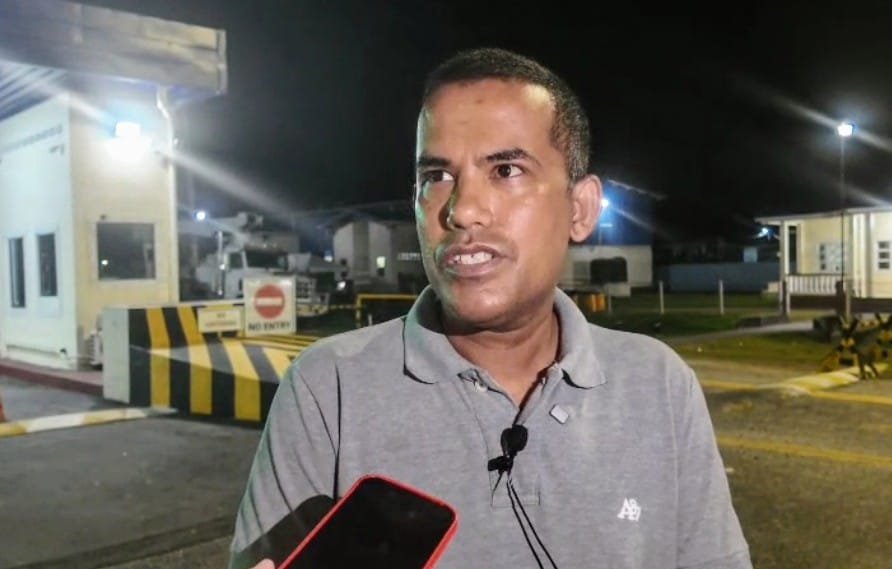
Despite the change, toll booth operations will remain in place. Armarnauth Singh, deputy general manager and company secretary of the Berbice Bridge Company Inc., said the booths will still process vehicles to manage traffic flow.
“All the safety protocols would still remain the same. The weight limit for the bridge would still remain the same. The processing of vehicles would be faster since we are not dealing with cash anymore,” Singh said.
He said the move would ease transport costs in Regions Five and Six, which are major agricultural areas.
“Farmers will benefit. Transporting your produce to market will now be cheaper. Access to hospitals, education—these all become more affordable because you no longer pay to cross. Contractors ferrying building materials—everyone saves,” he said.
Roy Jaffrally, a businessman in Region Six, said toll fees had represented a major monthly expense.
“The vehicle I used to cross cost $3,600 each time so an average of 10 to 12 trips a month or more—that’s over $40,000 in tolls. This move lifted a huge burden for businessmen like me,” he said.
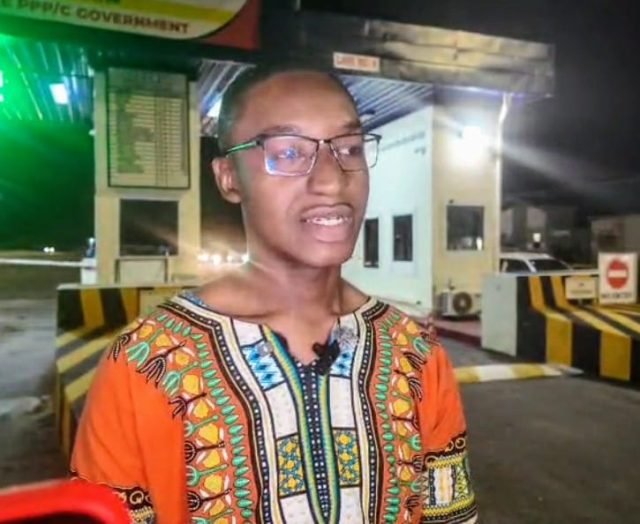
Kyler Rollins, a Rosignol resident who works in Region Six, said the policy would save him more than $500,000 a year.
“I used to pay $1,900 daily to cross. That’s over $45,000 a month and more than half a million dollars annually. With the toll gone, I can save or use that money for other life needs—like car maintenance. This is a great move by the government.”
Lovena Trude was overjoyed. A vehicle owner who works in Region Six, she said she used to park in Region Five and use other transport to avoid the toll. Now, she has no reason to do so.
“With the toll lifted, I can drive myself to work. It saves me time, stress, and money,” said with a broad smile.