Submit News
 About us
 Advertise
 Contact us


 Aug 05, 2026
  4 min read
 Horse racing and tapeball cricket unite in new Guya...
In a landmark convergence of Guyana’s most passionate sporting cultures, horse racing and grassroots cricket have officially joined forces. The organisers of...


08 Aug 2026

In a landmark convergence of Guyana’s most passionate sporting cultures, horse racing and grassroots cricket have officially joined forces. The organisers of...

Any state initiative in the bottled water sector should be structured to strengthen, not compete with or undermine, existing private investment, the...

The family of two-year-old Larissa, who was diagnosed with West syndrome at two months old and experiences up to 100 seizures...

 President: Cricket more than a sport, laments inadequate investment


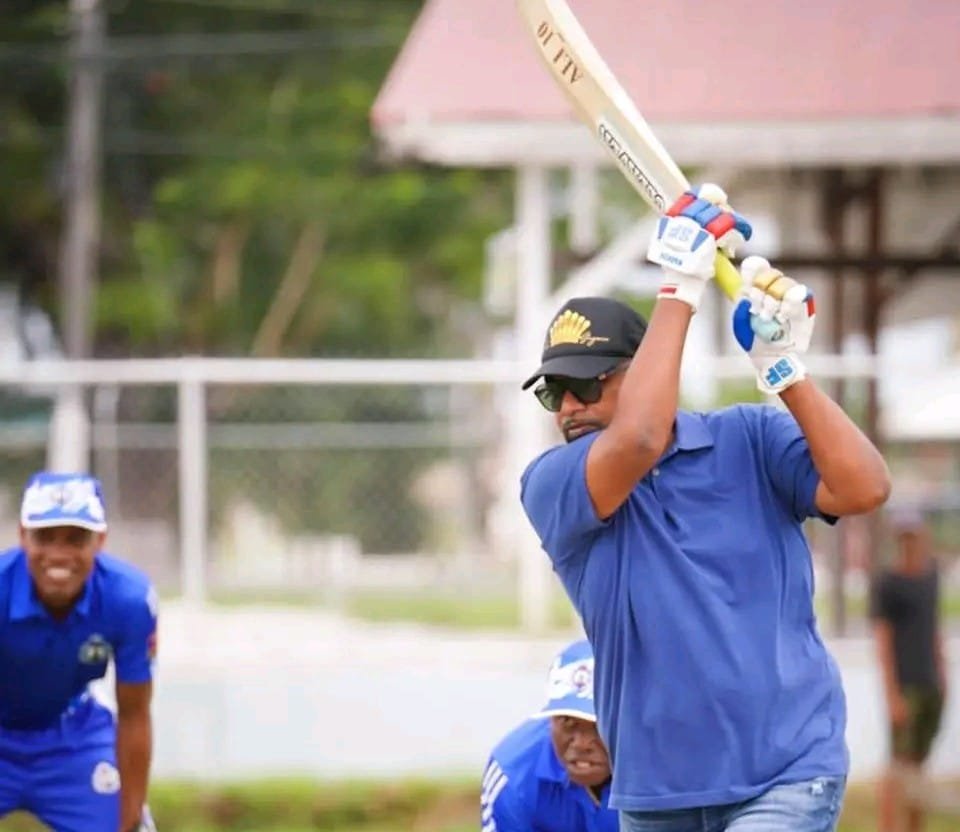
President Dr. Irfaan Ali says inadequate investment in cricket talent, infrastructure, and school programmes has contributed to the decline of West Indies cricket.
He shared this view in a wide-ranging interview aired Friday on The Rest Is Politics: Leading, hosted by Britain’s Alastair Campbell.
Ali, the first sitting President from the Americas to appear on the programme, spoke passionately about West Indies cricket while addressing broader challenges in global sports governance.
“When we were fighting for recognition in the world as a region, it was cricket that gave us that recognition,” he said. “It gave us an identity. It shaped who we are as a people.”
The Guyanese leader argued that while the West Indies remains rich in raw talent, systemic underinvestment has undermined the sport. He also criticised global cricket governance, recalling changes to rules during the height of West Indies’ fast-bowling dominance that he said were aimed at curbing the team’s competitive edge.
“Our fast bowling was too furious… the rules were changed to suit the powerful nations at the time,” he said, highlighting legends such as Malcolm Marshall and Curtly Ambrose.
Highlighting Guyana’s investments, Ali cited the launch of the Global Super League to revive regional competitiveness, while lamenting that discussions about the Champions League revival excluded Caribbean stakeholders who had already developed similar initiatives.