Submit News
 About us
 Advertise
 Contact us


 Aug 05, 2026
  4 min read
 Horse racing and tapeball cricket unite in new Guya...
In a landmark convergence of Guyana’s most passionate sporting cultures, horse racing and grassroots cricket have officially joined forces. The organisers of...


11 Aug 2026

In a landmark convergence of Guyana’s most passionate sporting cultures, horse racing and grassroots cricket have officially joined forces. The organisers of...

Any state initiative in the bottled water sector should be structured to strengthen, not compete with or undermine, existing private investment, the...

The family of two-year-old Larissa, who was diagnosed with West syndrome at two months old and experiences up to 100 seizures...

 FAO: Guyana removed from hunger map but challenges remain in the region


In perspective, good news: world hunger is beginning to decline. The State of Food Security and Nutrition in the World 2025 (SOFI 2025) reported a drop in the proportion of people suffering from hunger, from 8.5 per cent in 2023 to 8.2 per cent in 2024. Latin America and the Caribbean has played a pivotal role in this progress.
In 2024, undernourishment in the region affected 5.1 per cent of the population, down from 6.1 per cent in 2020–2021. Moderate or severe food insecurity fell significantly, from 33.7 per cent in 2020 to 25.2 per cent in 2024—the largest reduction recorded worldwide.
Five countries in the region—Chile, Costa Rica, Guyana, Uruguay, and now Brazil—no longer appear on the hunger map, thanks to coordinated policies across the economy, health, education, agriculture, and social protection: a viable formula to tackle the structural determinants of hunger.
These figures demonstrate that, even after crises such as the pandemic, rising inflation, and extreme climate events, progress is possible through sustained public policies, cooperation, investment, and strengthening the resilience of agrifood systems.
However, this positive development does not hide an uncomfortable truth: advances are not reaching everyone equally. SOFI 2025 highlights that while some countries are reducing hunger, others face challenges such as rising child stunting, overweight, and obesity. In the region, 141 million adults are obese, and four million children under five are overweight.
Contrasts emerge in specific cases. Colombia reduced hunger to 3.9 per cent with territorial policies and support for family farming, while the Dominican Republic cut the indicator by more than 17 percentage points in two decades with a multisectoral approach. By contrast, Panama and Guatemala, though reducing hunger, continue to struggle with malnutrition. Ecuador and El Salvador face a similar paradox: hunger is decreasing, but moderate and severe food insecurity is rising.
In Venezuela, hunger fell to 5.9 per cent, but food inflation persists. Mexico has reduced hunger to 2.7 per cent, though adult overweight reached 36 per cent in 2022, above the regional average. In Argentina, while hunger remains low at 3.4 per cent, child overweight and adult obesity have increased.
Unfortunately, the Caribbean remains the greatest challenge. Some 17.5 per cent of the population is undernourished, and the cost of a healthy diet stands at 5.48 PPP dollars per person per day. Haiti faces one of the world’s most severe crises: 54.2 per cent of its population suffers from hunger. This is not only alarming; it is an urgent call for greater cooperation and investment in the region’s most fragile context.
SOFI 2025 concludes that countries reducing hunger under adverse circumstances in Latin America and the Caribbean share common strategies. These include robust, well-targeted social protection systems; integrated policies that strengthen local production, inclusive value chains, market access, and family farming; and measures promoting environmental sustainability.
Complementary approaches include productive diversification, climate resilience to withstand extreme events, open and stable trade to ensure supply and moderate price volatility, and strong institutional coordination with effective monitoring systems to anticipate and respond to crises.
These experiences show that political will, strategic investment, and evidence-based management can reverse hunger—even in an uncertain global environment. (FAO)
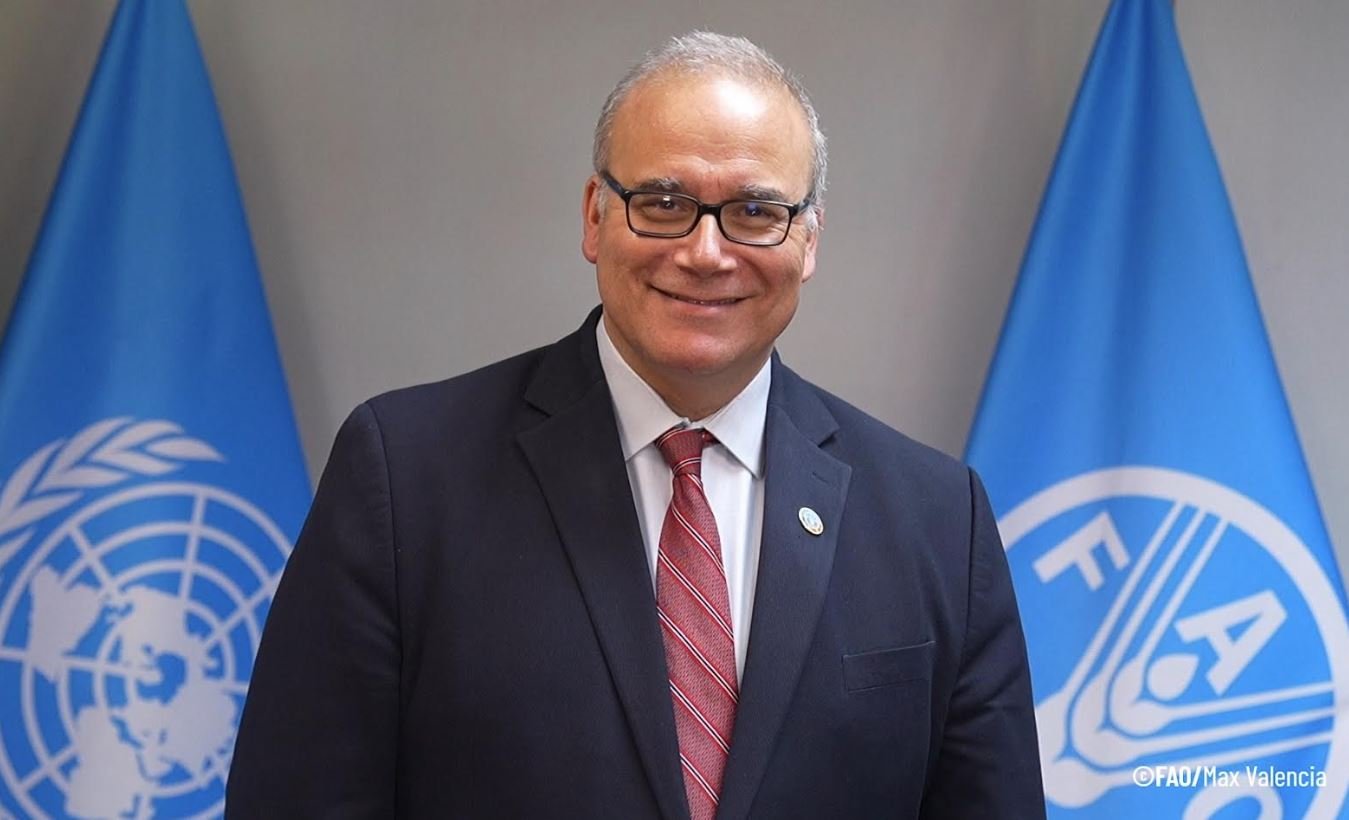
By: Máximo Torero Cullen, FAO Chief Economist and Regional Representative ad interim for Latin America and the Caribbean