Submit News
 About us
 Advertise
 Contact us


 Aug 05, 2026
  4 min read
 Horse racing and tapeball cricket unite in new Guya...
In a landmark convergence of Guyana’s most passionate sporting cultures, horse racing and grassroots cricket have officially joined forces. The organisers of...


11 Aug 2026

In a landmark convergence of Guyana’s most passionate sporting cultures, horse racing and grassroots cricket have officially joined forces. The organisers of...

Any state initiative in the bottled water sector should be structured to strengthen, not compete with or undermine, existing private investment, the...

The family of two-year-old Larissa, who was diagnosed with West syndrome at two months old and experiences up to 100 seizures...

 Region Six puts spotlight on mental health


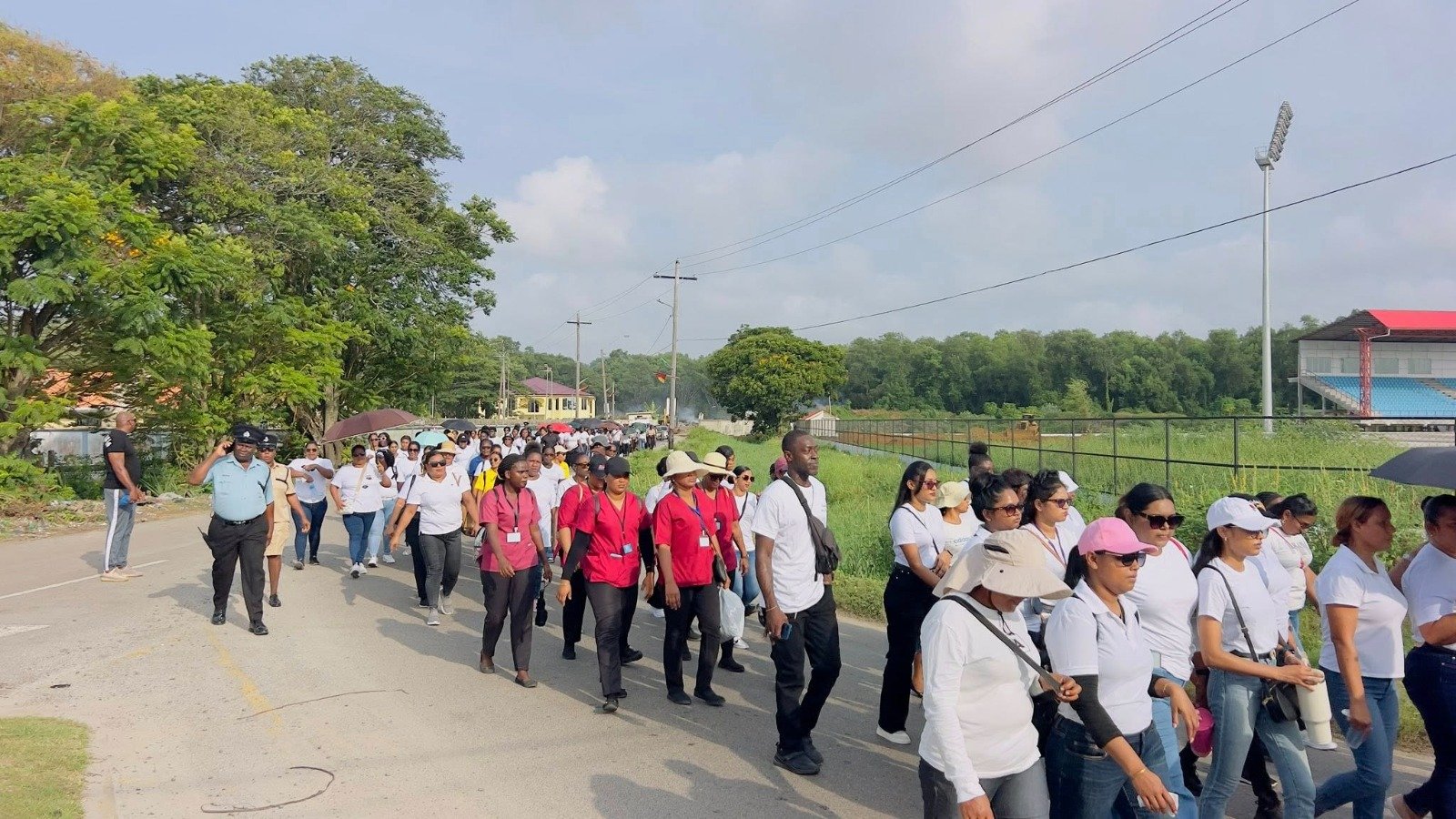
The Regional Health Services Department, in collaboration with the Regional Democratic Council (RDC) of Region Six, on Friday morning hosted a suicide awareness walk aimed at fostering greater community support and education on mental health issues.
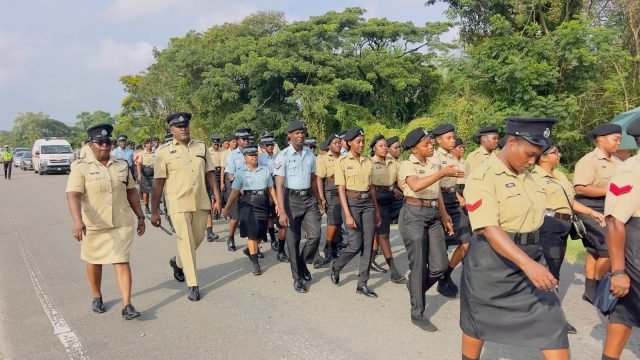
The walk began at Philadelphia Street and culminated at the New Amsterdam Technical Institute (NATI) compound, drawing participation from RDC staff, members of the Guyana Police Force, and representatives from health institutions across the region. Along the route, participants carried placards and engaged in discussions highlighting the importance of prevention, compassion, and early intervention.
Regional Executive Officer Narindra Persaud and Regional Health Officer Dr. Vineshri Khirodhar joined the exercise, underscoring the government’s ongoing commitment to addressing suicide, a public health crisis that has long affected Guyana.
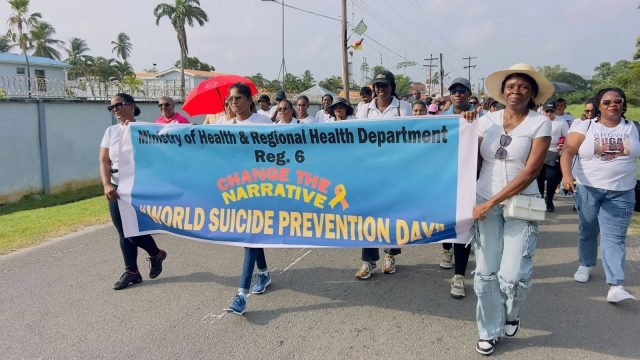
Speaking at the gathering, officials emphasised the need for collective responsibility in tackling suicide, pointing to the critical role that families, schools, workplaces, and community leaders can play in offering support and reducing stigma. Participants were also sensitised on recognising warning signs and directing individuals to counseling and other professional help.
Region Six (East Berbice-Corentyne) is one of the hardest-hit by suicide cases. Public health officials cite social, economic, and cultural factors—including domestic violence, alcoholism, and untreated mental health conditions—as key drivers.
In recent years, the Ministry of Health has launched several initiatives aimed at suicide prevention, including expanding mental health clinics, training community health workers, and establishing hotlines for immediate assistance. The government has also partnered with civil society and international organisations to strengthen awareness campaigns and improve access to psychosocial support.