Submit News
 About us
 Advertise
 Contact us


 Aug 05, 2026
  4 min read
 Horse racing and tapeball cricket unite in new Guya...
In a landmark convergence of Guyana’s most passionate sporting cultures, horse racing and grassroots cricket have officially joined forces. The organisers of...


12 Aug 2026

In a landmark convergence of Guyana’s most passionate sporting cultures, horse racing and grassroots cricket have officially joined forces. The organisers of...

Any state initiative in the bottled water sector should be structured to strengthen, not compete with or undermine, existing private investment, the...

The family of two-year-old Larissa, who was diagnosed with West syndrome at two months old and experiences up to 100 seizures...

 Guyana launches national early warning system to combat emerging drug threats


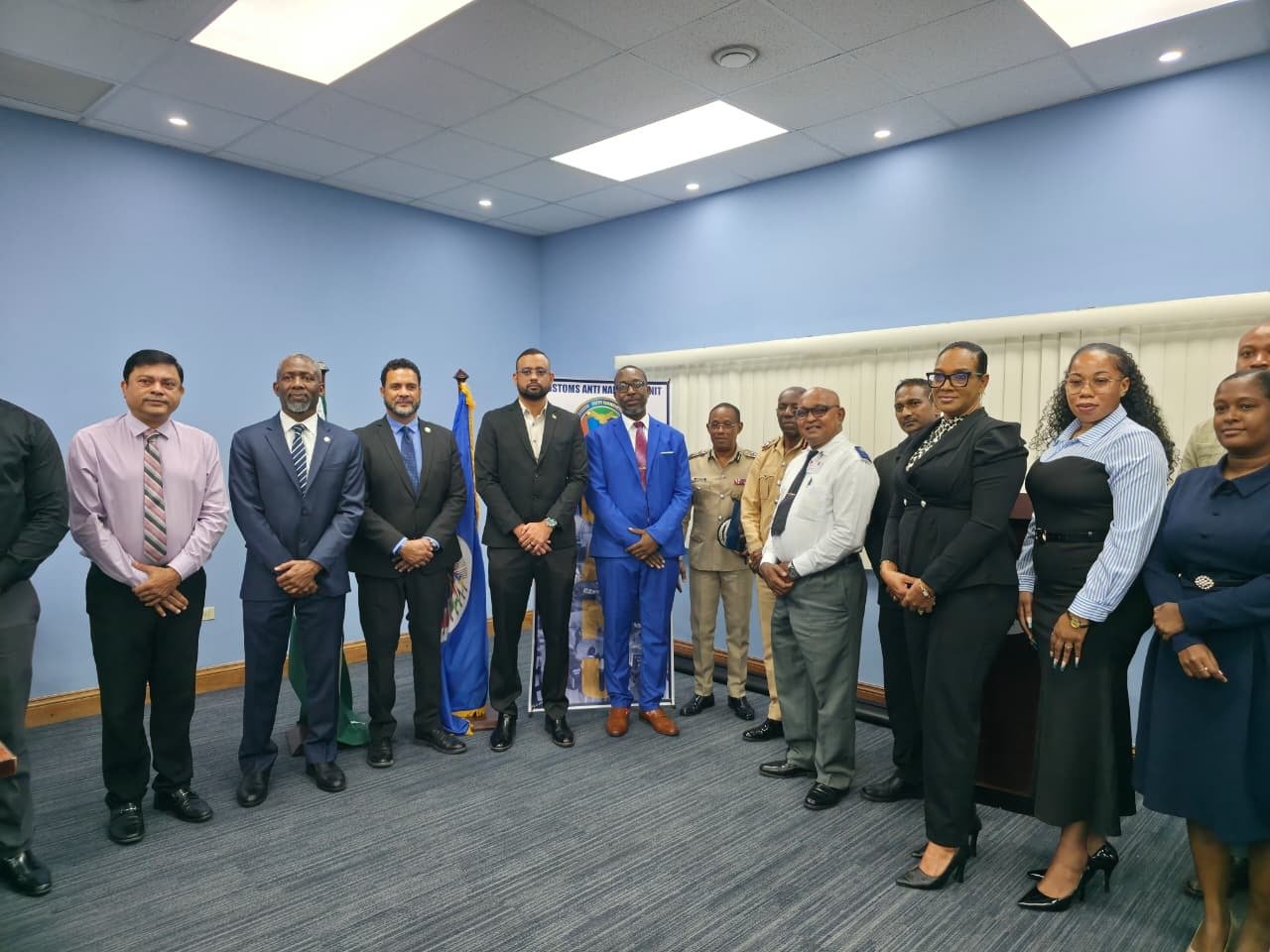
Guyana has officially launched its National Early Warning System (EWS) to detect and respond to new and emerging drug threats, particularly New Psychoactive Substances (NPS).
The system was unveiled at the Ministry of Health’s Conference Room in Brickdam, Georgetown, in a collaborative effort led by the Ministry of Home Affairs, the Customs Anti-Narcotic Unit (CANU), and the Guyana Drug Information Network (GUYDIN).
The launch brought together law enforcement, healthcare professionals, policy stakeholders, and representatives from the Inter-American Drug Abuse Control Commission (CICAD) of the Organization of American States (OAS).
The EWS was developed following international best practices and CICAD guidelines to detect, assess, and respond to emerging drug threats. These include substances that mimic traditional drugs but are marketed in items such as herbal mixtures, candy, and vaping products, creating challenges for detection, classification, and treatment.
James Singh, Director of CANU, stressed the need for coordinated national action. “The early warning system synthesizes information from multiple sources to enable timely responses and informed operational decisions,” Singh said. “It integrates scientific data, enhances enforcement capabilities, guides public education initiatives, and improves health-sector responses.”
Pernell Clarke of CICAD highlighted the system’s regional significance. “Guyana now joins a group of Caribbean nations with national early warning systems, including Barbados, Jamaica, Saint Lucia, Suriname, Trinidad and Tobago, and Antigua and Barbuda,” Clarke said. “The system strengthens Guyana’s capacity to anticipate drug threats rather than reacting after problems emerge. Regional experience shows that synthetic drugs, opioids, and semi-synthetic cannabinoids can cause toxic events, hospitalizations, and deaths, emphasizing the need for proactive monitoring.”
The EWS is designed to be a sustainable, functional framework, allowing authorities to share timely intelligence, respond quickly to emerging substances, and educate the public on associated risks. By fostering collaboration among national and international partners, Guyana is positioning itself to proactively manage drug threats, protect public health, and enhance national security.