Submit News
 About us
 Advertise
 Contact us


 Aug 05, 2026
  4 min read
 Horse racing and tapeball cricket unite in new Guya...
In a landmark convergence of Guyana’s most passionate sporting cultures, horse racing and grassroots cricket have officially joined forces. The organisers of...


12 Aug 2026

In a landmark convergence of Guyana’s most passionate sporting cultures, horse racing and grassroots cricket have officially joined forces. The organisers of...

Any state initiative in the bottled water sector should be structured to strengthen, not compete with or undermine, existing private investment, the...

The family of two-year-old Larissa, who was diagnosed with West syndrome at two months old and experiences up to 100 seizures...

 Dr. Ghazi: Fear and “bush medicine” don’t cure cancer, early detection does


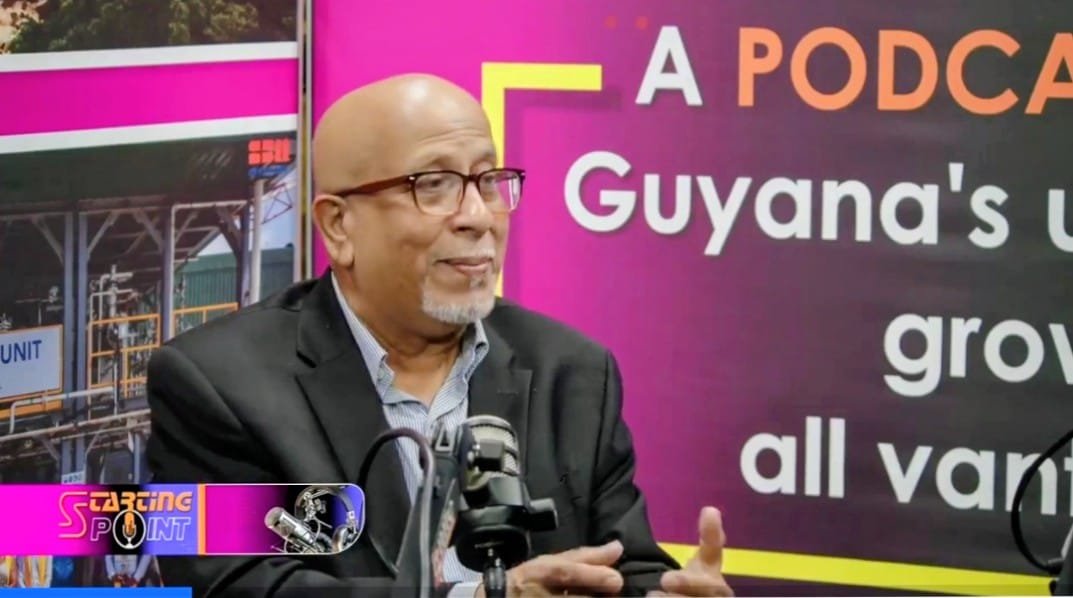
Delays in seeking proper medical care continue to endanger cancer patients in Guyana, according to Dr. Syed Ghazi, Director of Outreach at the Cancer Institute of Guyana.
Speaking on a recent episode of the Starting Point podcast, Dr. Ghazi warned that fear and reliance on unproven “bush medicine” treatments often prevent individuals from receiving timely, life-saving interventions.
He said many patients only seek medical attention after their condition has worsened, significantly reducing their chances of recovery.
The Cancer Institute continues to stress the importance of regular screenings and public education to dispel myths surrounding the disease and to promote early detection as the best route to survival.
“These treatments are developed after spending millions of dollars on research, thousands and thousands of hours of research and studies. And then comes the treatment where we know what kinds of receptors are there– is it advanced now? What kind of chemotherapy should be used to kill those cancer cells,” Dr. Ghazi emphasised.
He also rejected the myth that chemotherapy kills normal cells in cancer patients.
“Radiation or chemotherapy, they only attack the abnormal DNA,” he said.
According to Dr. Ghazi, breast cancer remains more common among older Guyanese women, while cervical cancer is more prevalent in hinterland areas.
“If you get screened properly and on time you are not putting your life at risk. Fighting individually, separately with our own ways like bush medicine– we can’t beat it, we have to join hands,” he said.
Dr. Ghazi, who has been in the medical profession for over 43 years, said his mission remains focused on saving the lives of people affected by cancer.