Submit News
 About us
 Advertise
 Contact us


 Aug 05, 2026
  4 min read
 Horse racing and tapeball cricket unite in new Guya...
In a landmark convergence of Guyana’s most passionate sporting cultures, horse racing and grassroots cricket have officially joined forces. The organisers of...


09 Aug 2026

In a landmark convergence of Guyana’s most passionate sporting cultures, horse racing and grassroots cricket have officially joined forces. The organisers of...

Any state initiative in the bottled water sector should be structured to strengthen, not compete with or undermine, existing private investment, the...

The family of two-year-old Larissa, who was diagnosed with West syndrome at two months old and experiences up to 100 seizures...

 ExxonMobil says talks on Stabroek Block decommissioning fund ‘productive’


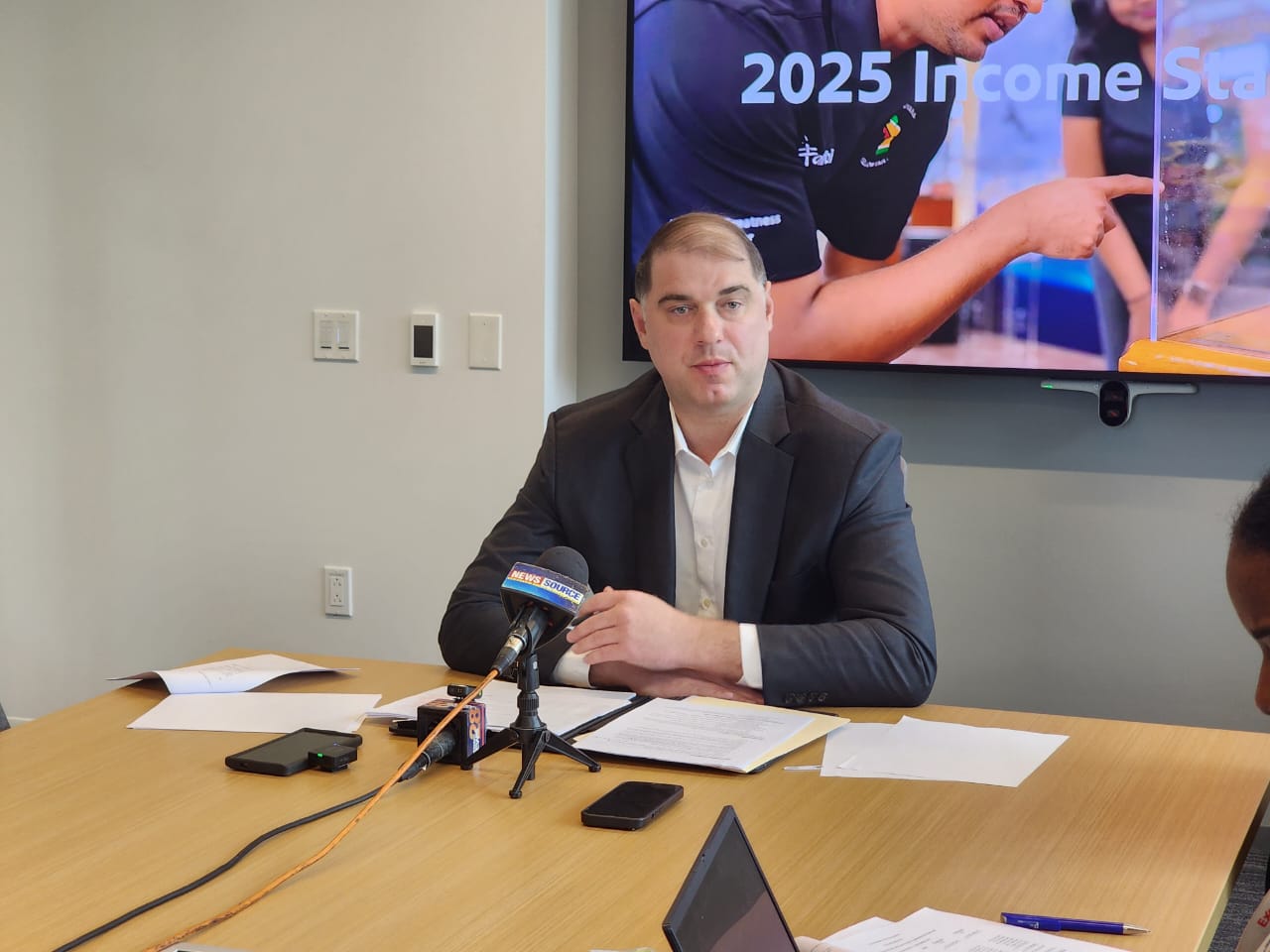
Discussions are ongoing between the Government of Guyana and ExxonMobil Guyana on the establishment of a decommissioning fund for offshore oil operations in the Stabroek Block, with both sides working to finalise the terms and conditions.
Vice President and Business Services Manager of ExxonMobil Guyana, John Colling, said negotiations are continuing and are focused on designing a fund that complies with Guyana’s Petroleum Act.
“Talks are underway between ExxonMobil Guyana Limited, as well as the government, on what the terms and conditions of that fund might look like,” Colling told a recent media briefing.
He declined to give a timeline for completion but described the discussions as “very productive”, adding that the objective is to establish a framework that provides financial assurance to Guyana while aligning with international best practice.
“Ultimately what we’re looking for is a fund that is consistent with the Petroleum Act, as well as international best practice, that ultimately provides the financial assurance required by the Government of Guyana and is also industry best practice to encourage future investors to continue to do business here in Guyana,” he said.
Colling noted that all oil and gas projects eventually require decommissioning at the end of their productive life.
Under international financial reporting standards, ExxonMobil records an asset retirement obligation once assets are placed into service.
The company said its accumulated asset retirement obligation currently exceeds US$100 billion, reflecting projected future costs associated with safely retiring offshore infrastructure and restoring affected areas once production ceases.
Colling added that ExxonMobil remains responsible for its share of decommissioning costs in the Stabroek Block, where it holds a 45 per cent participating interest and would therefore be liable for 45 per cent of eventual decommissioning expenses.