Submit News
 About us
 Advertise
 Contact us


 Aug 05, 2026
  4 min read
 Horse racing and tapeball cricket unite in new Guya...
In a landmark convergence of Guyana’s most passionate sporting cultures, horse racing and grassroots cricket have officially joined forces. The organisers of...


08 Aug 2026

In a landmark convergence of Guyana’s most passionate sporting cultures, horse racing and grassroots cricket have officially joined forces. The organisers of...

Any state initiative in the bottled water sector should be structured to strengthen, not compete with or undermine, existing private investment, the...

The family of two-year-old Larissa, who was diagnosed with West syndrome at two months old and experiences up to 100 seizures...

 Sarah Browne: Guyana significantly narrows gender inequality gap


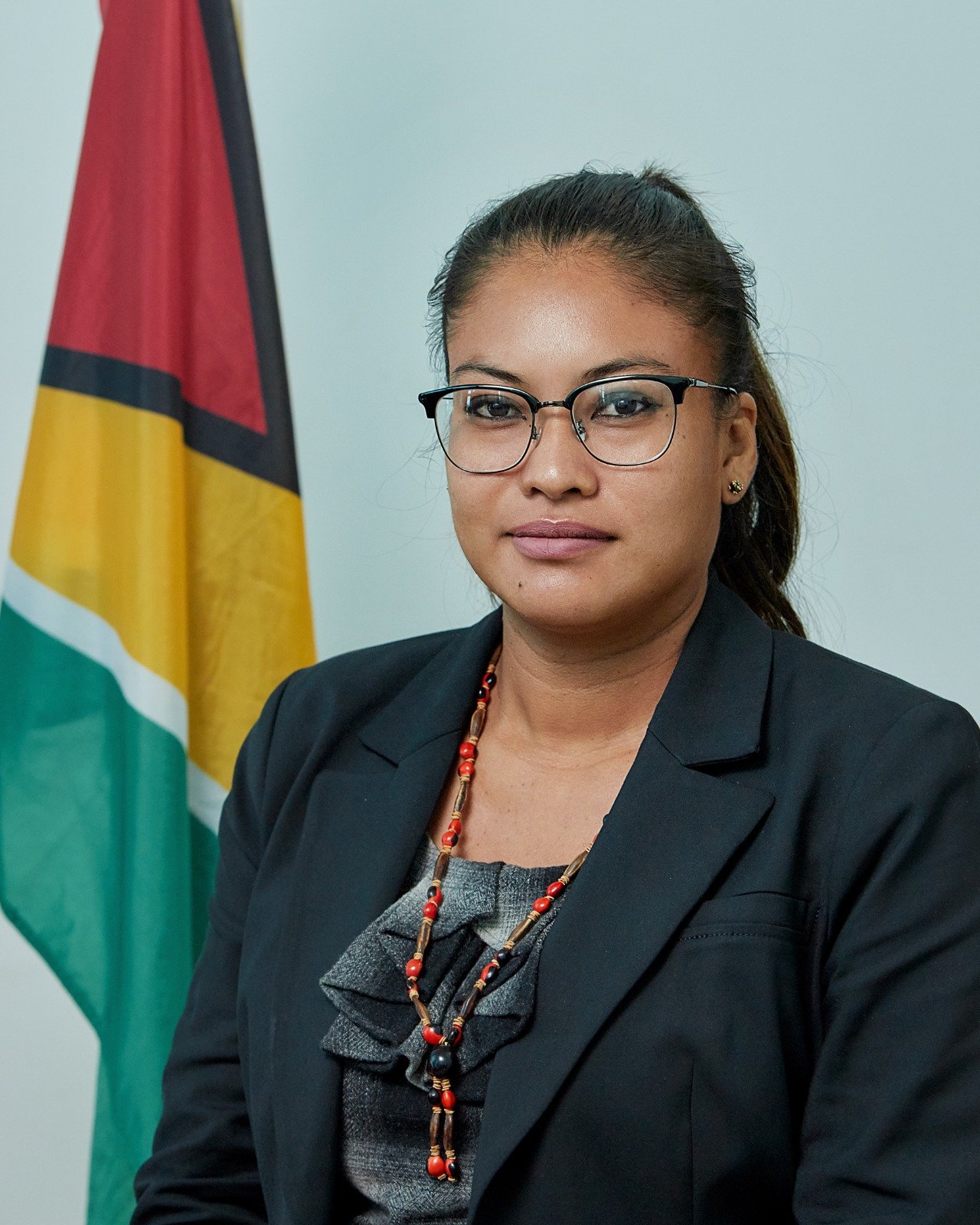
Parliamentary Secretary, Sarah Browne, has indicated that Guyana has made significant strides in advocating for the rights of indigenous and young women, particularly in the areas of education, employment, and economic development.
She made the remarks while speaking at a high-level interactive dialogue titled ‘Beijing@30: A Dialogue with Youth Representatives’, hosted during the 69th Session of the Commission on the Status of Women on 15th March.
Browne is the youngest Member of Parliament in Guyana and an advocate for indigenous and young women.
“Guyana has made significant strides in bridging the gender equality gap through its many progressive programmes and policies. Women and girls have access to free education up to the tertiary level and benefit from online scholarship programmes. Many women and girls in remote and rural areas now have access to the internet, opening avenues for education, employment, and increased access to information. There are increased employment opportunities for women, including in non-traditional sectors. Girls benefit from direct cash transfers for education, and cash transfers are made to mothers upon the birth of each child, which is further augmented by tax benefits for working parents,” she noted, also highlighting free healthcare.
Browne also emphasised that indigenous people play a pivotal role in forest preservation.
She noted that, in addition to budgetary allocations, 15 per cent of all earnings from carbon credits are transferred to indigenous villages through the Low Carbon Development Strategy (LCDS).
These funds, she said, support livelihood and economic projects in the areas of tourism and cultural preservation.
“This is the largest single, direct financial transfer to indigenous communities. Through its robust legal and regulatory framework, the government provides a range of interventions to protect and empower young women and girls. Countries flourish when they invest in their youth. In Guyana, more young women are involved in national and local decision-making. I am proud, as a young indigenous woman, to sit at the helm of leadership in my country. Today, I advocate for all women to be given the same opportunities that I have, and this will truly advance women’s equality and empowerment,” Browne said.