Submit News
 About us
 Advertise
 Contact us


 Aug 05, 2026
  4 min read
 Horse racing and tapeball cricket unite in new Guya...
In a landmark convergence of Guyana’s most passionate sporting cultures, horse racing and grassroots cricket have officially joined forces. The organisers of...


09 Aug 2026

In a landmark convergence of Guyana’s most passionate sporting cultures, horse racing and grassroots cricket have officially joined forces. The organisers of...

Any state initiative in the bottled water sector should be structured to strengthen, not compete with or undermine, existing private investment, the...

The family of two-year-old Larissa, who was diagnosed with West syndrome at two months old and experiences up to 100 seizures...

 At a glance: Venezuela’s sham elections and border controversy


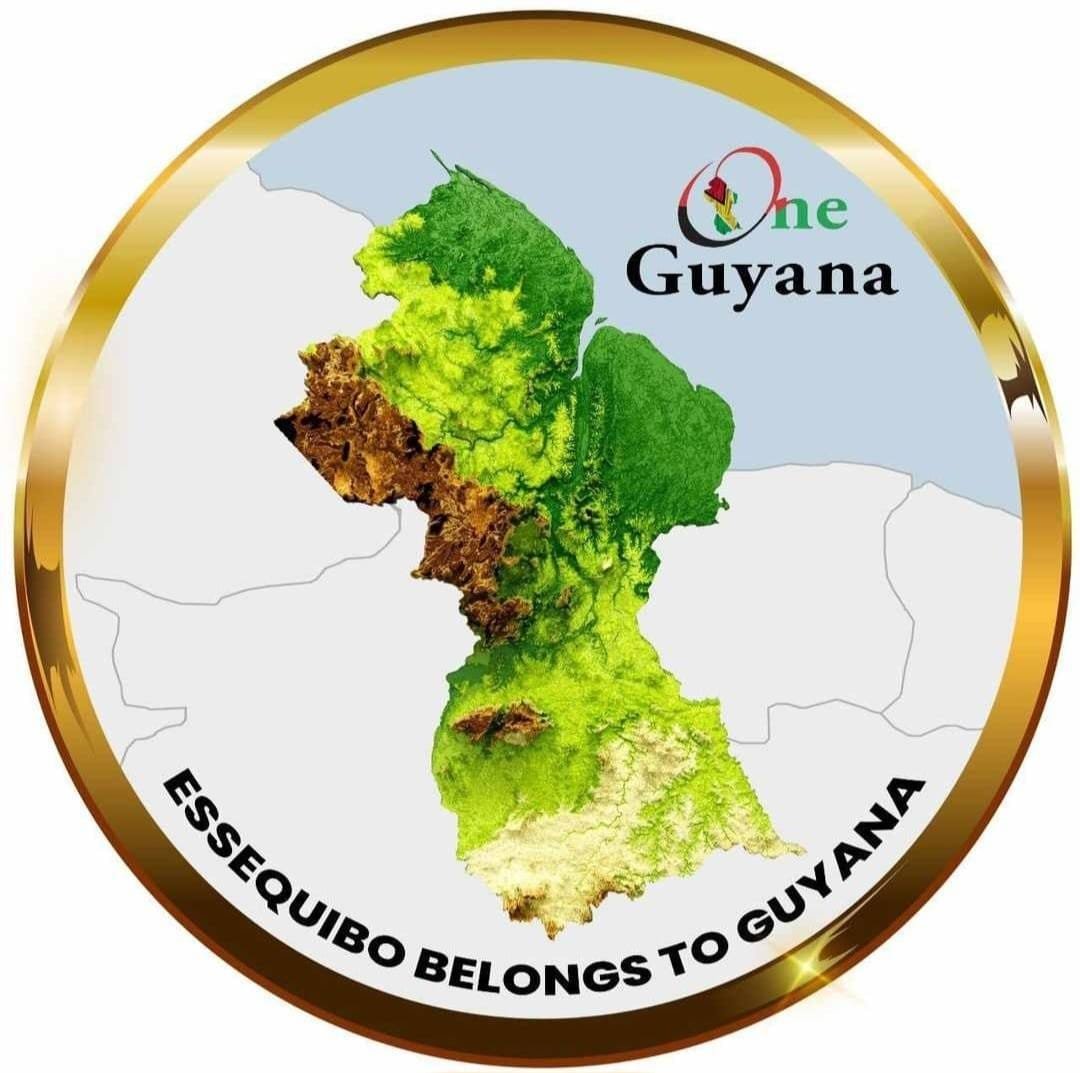
Venezuela’s controversial plan to hold regional elections in Guyana’s Essequibo region on 25 May (tomorrow) has been widely regarded as a sham exercise. Regional organisations and legal experts have condemned the move as a blatant violation of international law and a direct challenge to Guyana’s sovereignty. The elections are being organised despite clear warnings from the International Court of Justice (ICJ), which has urged Venezuela to refrain from unilateral actions while the border controversy remains under legal adjudication.
The government of Nicolás Maduro has continued preparations for these elections, declaring the Essequibo region part of Venezuela’s newly created state, “Guayana Esequiba.” This provocative development has alarmed not only Guyana but also the international community, which views the move as destabilising and unlawful.
The United States has been particularly vocal, stating that “Maduro’s regime lacks legitimacy” and emphasising that any effort to undermine Guyana’s territorial integrity is unacceptable. Washington has called for restraint and reiterated its unwavering support for Guyana’s sovereignty. The US State Department warned that holding elections in an area currently before the court undermines the rule of law and the peaceful resolution of international conflicts.
CARICOM has described Venezuela’s actions as a “grave threat” to regional peace and security. In a strongly worded statement earlier this year, the organisation expressed support for the ICJ process and reaffirmed Guyana’s rightful administration over the Essequibo region. CARICOM’s stance reflects growing concern among Caribbean nations that Venezuela’s aggressive posture could set a dangerous precedent in the hemisphere.
Despite these warnings and the ICJ’s 2023 provisional measures instructing Venezuela not to take actions that could aggravate the controversy, Caracas has pressed ahead with its plans.
So How Will the Voting Occur?
EFE (Agencia EFE), Spain’s leading international news agency and one of the largest and oldest in the Spanish-speaking world, reported that the election of the Essequibo authorities will be held in Venezuela, not within the territory under controversy. The election will be conducted by citizens registered in an area close to the territory in controversy, 98.9 per cent of whom are Venezuelan.
According to EFE, official figures show that a total of 21,403 voters with Venezuelan national ID cards — only 220 of whom are foreigners — will be able to cast their ballots this Sunday for positions in the area under controversy, where English is the predominant language and more than 120,000 people live, including members of indigenous groups.
Guyana has warned that anyone who participates in or supports the Venezuelan elections will be charged with treason.
Local leaders in Essequibo have reported that, contrary to claims from Venezuela, no preparations for elections by Venezuela have taken place in the region.
What Prominent Venezuelans Are Saying, According to Global News Network Al Jazeera
• Carmen Beatriz Fernandez (political analyst and lecturer):
Believes President Maduro is using the Essequibo controversy as a tool for political survival.
• Orlando Moreno (human rights advocate and opposition campaign leader in Delta Amacuro):
Argues Maduro is using the conflict to distract from his post-election crackdown on dissent.
• Sadio Garavini di Turno (former Venezuelan ambassador to Guyana, political analyst):
Describes Maduro’s actions as “frivolous” and irresponsible, especially given the ongoing case at the International Court of Justice.
Historical Context: The 1899 Arbitral Award and the Geneva Agreement
The territorial controversy over the Essequibo region dates back more than a century. In 1899, an international arbitral tribunal — comprising representatives from Britain, Russia, and the United States — unanimously awarded the disputed territory to British Guiana, then a British colony.
Venezuela accepted the ruling at the time and maintained this position for more than six decades. However, in 1962, Caracas revived its claim, alleging that the arbitral award was tainted by fraud and political manipulation. This marked the beginning of a protracted diplomatic and legal dispute.
The Geneva Agreement, signed in 1966 by the United Kingdom, British Guiana (shortly before independence), and Venezuela, sought a peaceful resolution. The agreement did not invalidate the 1899 award. Instead, it established a framework for negotiations and legal examination, ultimately leading to the current proceedings before the ICJ.
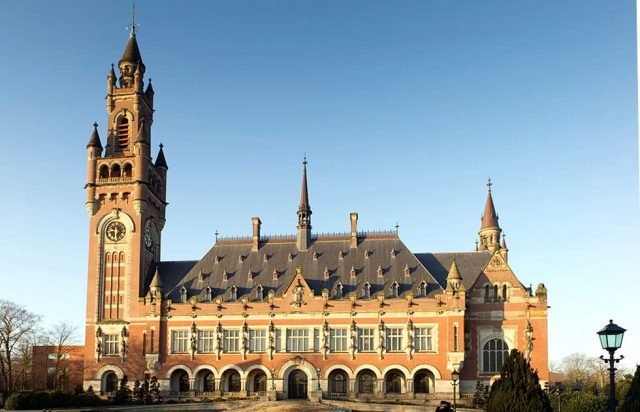
Current Legal Proceedings at the International Court of Justice
In 2018, following years of unsuccessful bilateral discussions, the UN Secretary-General referred the border issue to the ICJ. The court ruled in 2020 that it had jurisdiction to hear the case regarding the validity of the 1899 Arbitral Award.
In April 2023, the ICJ issued provisional measures directing Venezuela to refrain from any actions that could worsen the controversy or interfere with the legal process. These measures explicitly prohibited actions such as occupying or asserting control over the territory under controversy. Guyana has repeatedly affirmed its commitment to resolving the issue peacefully through legal channels and in accordance with international law.
Recent Developments and Military Incidents
• In February 2025, a violent clash occurred when gunmen in Venezuela attacked a Guyana Defence Force (GDF) patrol, injuring six soldiers.
• Between 13 and 15 May, additional GDF patrols came under gunfire near the Cuyuni River. Although there were no casualties, Guyanese authorities have since reinforced border security in response to the perceived threat.
• Another significant flashpoint emerged in March this year with the Stabroek Block Incursion, during which Venezuelan naval forces entered Guyana’s Exclusive Economic Zone. This area, rich in offshore oil reserves, is a cornerstone of Guyana’s economic future.
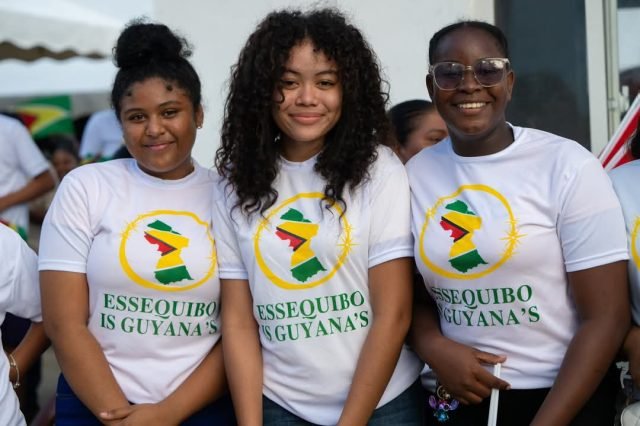
International Condemnation of the Stabroek Block Incursion
The incursion drew widespread backlash from the international community:
• United States State Department: Described the move as a violation of Guyana’s sovereign rights and urged Venezuela to respect the rule of law.
• CARICOM: Expressed profound concern, labelling Venezuela’s actions a direct threat to peace and stability in the Caribbean.
• Commonwealth of Nations: Asserted that all acts of aggression and provocation are contrary to international law and the 2023 Argyle Declaration.
• Organisation of American States (OAS): Affirmed Guyana’s right to develop its natural resources free from intimidation or coercion.
• France, the UK, Canada, and the G7 nations: Joined in condemning Venezuela’s actions and called for respect for international borders and legal processes.
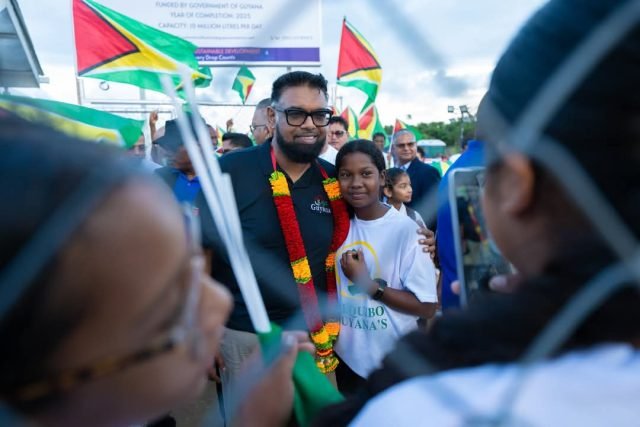
Statements from Guyanese Leadership
• President Irfaan Ali has remained resolute, stating, “Guyana will defend every inch of its territory and pursue justice through international law.”
• Vice President Bharrat Jagdeo echoed this sentiment, arguing that “Maduro is using this manufactured border controversy to distract from Venezuela’s internal crises and failures.”